
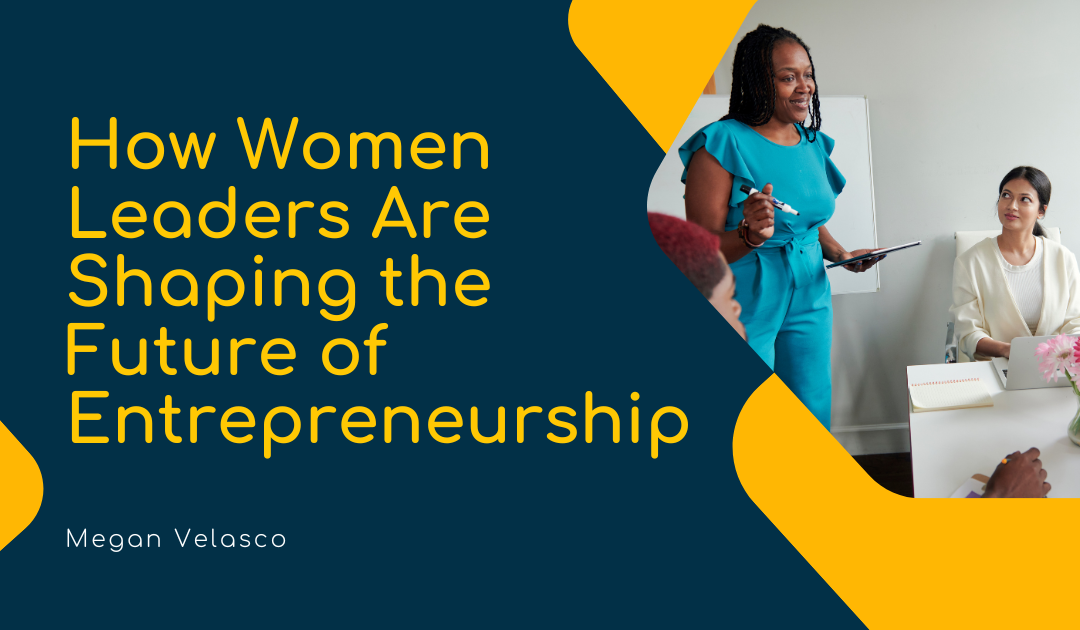
Women entrepreneurs are making significant strides in reshaping the landscape of business and entrepreneurship. As they rise to leadership positions, they bring a fresh perspective and innovative approach to the way businesses are built, run, and scaled. Women leaders are not just creating businesses for themselves; they are pioneering a new way of thinking about entrepreneurship, one that is inclusive, collaborative, and focused on sustainability and social impact. This shift is transforming the future of entrepreneurship, providing new opportunities for future generations of female leaders.
One of the key ways women leaders are reshaping entrepreneurship is through their emphasis on collaboration over competition. Traditionally, the entrepreneurial world has been seen as a competitive, cutthroat arena. However, many women entrepreneurs are breaking this mold by fostering a spirit of collaboration within their businesses and across industries. Women are more likely to embrace partnerships, networks, and mentorship programs that encourage cooperation rather than rivalry. By sharing resources, knowledge, and expertise, women leaders are building strong support systems that not only benefit their businesses but also promote the growth and success of other women entrepreneurs. This sense of community and mutual support is transforming the entrepreneurial ecosystem, making it more inclusive and accessible.
Another important shift women leaders are bringing to entrepreneurship is a focus on work-life balance and employee well-being. Many women entrepreneurs understand the challenges of juggling multiple responsibilities, from running a business to managing family commitments. As a result, they are prioritizing flexible work schedules, remote work options, and wellness programs that support the mental and physical health of their employees. This approach not only creates a more positive work environment but also boosts productivity and retention rates. Women leaders are proving that businesses can thrive while also promoting a healthy work-life balance, challenging the traditional notion that success requires burnout and constant overwork.
Women are also leading the charge in creating businesses with a strong social impact. Many women entrepreneurs are driven by a desire to make a difference in their communities and the world at large. They are founding businesses that tackle pressing social issues such as environmental sustainability, access to education, gender equality, and healthcare. These businesses are not only profitable but also align with the values of social responsibility and ethical entrepreneurship. By integrating purpose and profit, women leaders are showing that businesses can be a powerful force for positive change, inspiring others to follow suit.
The rise of women in leadership roles is also contributing to the diversification of industries and business sectors. Traditionally, women have been underrepresented in fields such as technology, engineering, and finance. However, more women are now breaking into these male-dominated sectors and excelling. By pushing boundaries and overcoming obstacles, women entrepreneurs are diversifying industries and encouraging future generations of women to pursue careers in fields that were once considered off-limits. This diversification leads to a more inclusive, innovative, and forward-thinking business landscape that benefits everyone.
Finally, women leaders are bringing a new level of emotional intelligence to the table. As entrepreneurs, women often have to navigate complex interpersonal dynamics with employees, clients, and investors. Many women leaders excel in areas like empathy, communication, and relationship-building, which are critical to building strong teams and cultivating positive business relationships. These skills are transforming the way businesses operate, emphasizing the importance of emotional intelligence in leadership and decision-making. Women entrepreneurs are proving that success isn’t just about financial results; it’s about fostering strong relationships, creating inclusive environments, and leading with integrity and compassion.
In conclusion, women leaders are not only shaping the future of entrepreneurship—they are revolutionizing it. Through their collaborative mindset, commitment to work-life balance, focus on social impact, efforts to diversify industries, and emphasis on emotional intelligence, they are creating a new entrepreneurial landscape that is more inclusive, sustainable, and compassionate. As more women step into leadership roles, the entrepreneurial world will continue to evolve, creating greater opportunities for future generations of women entrepreneurs to make their mark on the business world.